
Free, ready-to-teach IB DP Theory of Knowledge lessons.
Each one opens as a full lesson you can project and work through with a class, built around a knowledge question.
Lessons by theme52 lessons, from the knower to the areas of knowledge.Podcasts33 episodes, each linked to the lessons it goes with.Guess the RuleA whole-class game that shows confirmation bias in action.
Lessons by theme
Every lesson opens on its own page. The line under each title is its knowledge question.
Pre-DP
Knowledge and the Knower
- Getting Started with TOKkk.1Why are the criteria for what counts as knowledge not obvious?
- The Map Metaphorkk.2Can a representation that leaves things out still be true?
- Knowledge Claimskk.3How do we distinguish claims that are contestable from claims that are not?
- Perspectiveskk.4If every knower has a perspective, can any perspective be wrong?
- TOK Conceptskk.5What constitutes a "good reason" for us to accept a claim?
- The Knowledge Frameworkkk.6Can the same four questions be asked of any kind of knowledge?
- Truth and Evidencekk.7Is the truth what the majority of people accept?
- Cognitive Biaseskk.8As knowers, do we have a moral duty to examine our own assumptions and biases?
- Objects and Other Knowers: Planningkk.10Does our knowledge depend on our interactions with other knowers?
- Assessment: Objects and Other Knowerskk.11Does our knowledge depend on our interactions with other knowers?
An Introduction to Ethics
- The Gut: The Trolley, the Bridge and the Hospitalkk.13Are intuition, evidence, reasoning, consensus and authority all equally convincing methods of justification?
- Write the Rule: The Knock at the Doorkk.14How can we construct reliable ethical knowledge when different rational systems lead to conflicting moral truths?
- Can We Mark It? The Drawbridgekk.15In what ways do ethical judgments differ from other kinds of judgments?
- Just Your Opinion? The Moral Thermometerkk.16If moral claims conflict, does it follow that all views are equally acceptable?
- Would You Tell?kk.17Are there responsibilities that necessarily come with knowing something or knowing how to do something?
- Forbidden Knowledgekk.18Is there knowledge that a person or society has a responsibility to acquire or not to acquire?
Knowledge and Language
- Chairs and Hot Dogslanguage.1If we can't agree on something as simple as "sandwich", what does this mean for more complex knowledge claims?
- What counts as a sport?language.2To what extent can we have certain knowledge when our basic categories are made by people?
- The Slipperiness of Meaninglanguage.3If language is inherently slippery, how can we ever be certain that we have understood what someone else knows?
- Language Evolution: From Shakespeare to Textinglanguage.4How can we know that current knowledge is an improvement on past knowledge?
- Why do we lie?language.5To what extent does the language we use to describe deception determine what counts as a lie?
- Gatekeepers and the Power to Define Knowledgelanguage.6How do gatekeepers use language to determine what counts as legitimate knowledge?
- How do we come to know what we are permitted to say?language.7How do we come to know what we are permitted to say?
- The Politics of Naming and Mappinglanguage.8To what extent do naming practices construct political reality?
- Does language reveal or construct the meaning of an image?language.9Does language reveal or construct the meaning of an image?
Knowledge and Technology
- What Counts as Technology?technology.1
- A Timeline of Knowledge Revolutionstechnology.2Have technological developments had the greatest impact on what we know, how we know, how we store knowledge, or how we share knowledge?
- AI and the Knower: Who Is Thinking?technology.3In what sense, if any, can a machine be said to know something?
- Perspectives, Algorithms and Echo Chamberstechnology.4Do social networks and AI algorithms reinforce our existing perspectives rather than broadening them?
- Technology, Ethics and Responsibilitytechnology.5What responsibilities come with the knowledge that technology and AI give us?
- Synthesis: Drawing It All Togethertechnology.6Has technology, and especially AI, changed the nature of knowledge itself, or only our access to it?
The Arts
- Vivian Maierarts.1
- What Makes Something Art?arts.2How can we distinguish what is art and what is not?
- Defining the Undefinablearts.3If no single feature is true of every work of art, what are we doing when we call something art?
- The Camera as a Way of Seeingarts.4How does the camera change what it is possible to see, and to show?
- Martin Parr: Comfortable Discomfortarts.5If a photograph is constructed through the photographer's choices, what exactly does it tell us about the world?
- Writing the Labelarts.6How does the way we describe a work of art shape what we can know from it?
The TOK Exhibition
History
- Captain Smithhistory.1What counts as a fact in history?
- Captain Stanley Lordhistory.2On what criteria can a historian evaluate the reliability of their sources?
- Bruce Ismayhistory.3If it is difficult to establish proof in history, does that mean that all versions are equally acceptable?
- Jack Thayer and Robert Ballardhistory.4If our senses are sometimes unreliable, does this mean that eyewitness testimony is an unreliable source of evidence?
Natural Sciences
- A claim with no evidencenatural_science.1Can a claim be scientific before there is any evidence for it?
- The number that could not be rightnatural_science.2Can an instrument show us something we do not expect to find?
- The story about the storynatural_science.3When should an unexpected result be treated as a discovery rather than an error?
- Signing before you knownatural_science.4Is science, or should it be, value-free?
- Was it typical?natural_science.5Is there a single “scientific method”?
Human Sciences
- Run it againhuman_science.1To what extent are the methods used to gain knowledge in the human sciences “scientific”?
- The person in the modelhuman_science.2What assumptions underlie the methods used in the human sciences?
- Stopped at 150human_science.3To what extent are the methods used in the human sciences limited by the ethical considerations involved in studying human beings?
Reading and news
This week’s reading
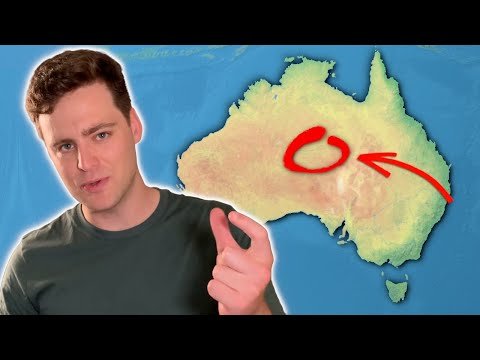
News articles and videos linked to TOK
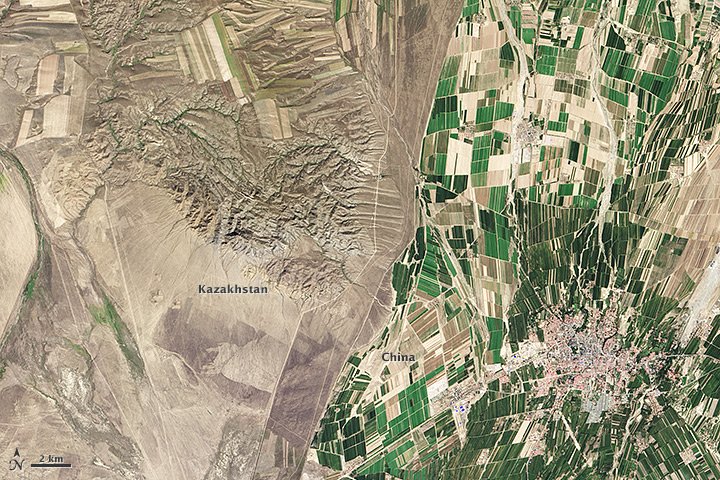 The countries' borders that are visible from space - Vivid Mapsvividmaps.com
 OpenHistoricalMapopenhistoricalmap.org
 How maps in the media make us more negative about migrantsthecorrespondent.com
 Heatwave Britain hits 40.3°C – here’s how scientists know when a temperature record has been brokenblog.geographydirections.com
 Have we vastly underestimated the total number of people on Earth?newscientist.com
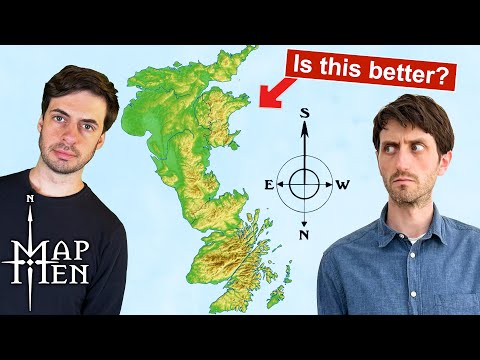 Why is North up?youtube.com